about : Upload
Drag and drop your PDF or image, or select it manually from your device via the dashboard. You can also connect to our API or document processing pipeline through Dropbox, Google Drive, Amazon S3, or Microsoft OneDrive.
Verify in Seconds
Our system instantly analyzes the document using advanced AI to detect fraud. It examines metadata, text structure, embedded signatures, and potential manipulation.
Get Results
Receive a detailed report on the document's authenticity—directly in the dashboard or via webhook. See exactly what was checked and why, with full transparency.
How modern AI and forensic techniques work to detect fake invoices
Detecting a fake invoice requires more than a quick glance at totals and logos. Advanced detection blends machine learning, forensic image analysis, and metadata inspection to examine every trace of manipulation. AI models trained on thousands of legitimate and fraudulent examples identify patterns that humans overlook: inconsistent typefaces, odd kerning, mismatched tax calculations, and anomalous date sequences. These systems also perform optical character recognition (OCR) to extract text and compare it against expected formats for currencies, tax IDs, and vendor names.
Beyond visible text, forensic techniques analyze document metadata, such as creation dates, modification timestamps, and software signatures embedded in PDFs. A mismatch between an invoice creation date and the file’s metadata or evidence of multiple software layers may indicate tampering. For images, forensic filters detect cloned areas, compression artifacts, and signs of pasted elements—common when fraudsters stitch elements from different invoices to fabricate legitimacy.
Embedded digital signatures and certificate chains provide a cryptographic layer of assurance. Validation checks whether a signature corresponds to an authentic certificate and whether that certificate was valid at the time of signing. When signature validation fails or the certificate is unknown, it raises a red flag for manual review. Natural language processing (NLP) checks can flag unusual phrasing or inconsistent terminology that differs from a vendor’s usual communications.
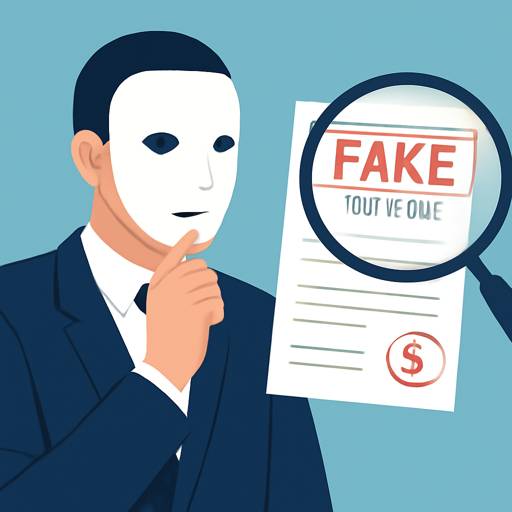
Integrating these methods into automated pipelines means enterprises can detect fake invoice attempts within seconds. The result is a layered defense: statistical anomaly detection for broad coverage, forensic imaging for visual artifacts, and cryptographic checks for authenticity. Together, these approaches reduce false positives while quickly isolating high-risk items for human review.
Practical steps organizations and individuals can take to verify invoices
Start with a consistent verification workflow to make fraud detection routine rather than ad hoc. First, institute a two-step validation: automated screening followed by a human check for flagged items. Automated tools should verify arithmetic accuracy and cross-check vendor details—bank account numbers, VAT IDs, and supplier addresses—against established master data. Systems that track vendor history can detect when a known supplier suddenly uses a different email domain or banking details, which often signals invoice diversion fraud.
Always inspect the file metadata before opening attachments in a full application environment. A quick metadata check can reveal suspicious last-modified dates or unusual software fingerprints. For PDFs and scanned images, use forensic image analysis to uncover signs of editing: duplicated pixels, inconsistent edge smoothing, or layered objects. When an invoice contains a signature, verify its authenticity through certificate validation or by contacting the vendor through a known, independent channel—not through a phone number or email listed on the potentially fraudulent invoice.
Implement strict payment controls: require multi-person approval for high-value transactions, mandate payment verification via established banking contact details, and employ "positive pay" or bank confirmation for wire transfers. Train staff to recognize social engineering vectors that accompany fake invoices, such as urgency cues, last-minute changes, or pressure to bypass standard procurement steps. Keep a clear log of vendor onboarding documents and use them as a reference when an invoice deviates from normal patterns.
Finally, maintain an incident response playbook that includes freezing payments, contacting banks immediately, and preserving evidence for law enforcement or insurance claims. Combined routine checks, layered controls, and quick escalation channels dramatically reduce the window in which a fraudster can succeed.
Case studies and real-world examples illustrating invoice fraud detection
Case studies reveal common attack patterns and the practical value of layered detection. In one multinational firm, a fraudster created invoices mimicking a trusted supplier but changed the bank account number. Automated systems flagged the account change because vendor master data required multi-factor confirmation for bank detail edits. The fraud was stopped before payment, illustrating the power of control rules combined with exception workflows.
Another example involved a small business receiving a high-value invoice with a forged digital signature. Forensic analysis uncovered that the PDF’s digital certificate was self-signed and not tied to the supplier’s public certificate. Because the company’s verification process included certificate validation, the payment was delayed and the vendor contacted via their known phone number. The vendor confirmed they had not issued the invoice, and a pattern of similar fraudulent attempts was reported to authorities.
A third scenario highlights a vendor impersonation scheme where criminals intercepted legitimate invoices and replaced the PDF with a nearly identical version containing altered banking details. Image-forensics tools detected cloned logo elements and slight compression inconsistencies; metadata analysis showed the file had been recreated just hours before the due date. That combination of image and metadata anomalies triggered a manual audit that revealed the diversion attempt.
These real-world instances emphasize several lessons: maintain authoritative vendor records, validate digital signatures and certificates, analyze both visual and metadata artifacts, and keep human oversight on high-risk transactions. With these practices, organizations can transform invoice processing from a single-point failure into a resilient, multi-layered defense against sophisticated scammers.



 SantosJGardner