Private Caregiver Jobs: How to Turn Compassion into a Rewarding Career
SantosJGardner Posted on
The demand for personalized, at-home support continues to rise as more families choose to keep their loved ones in familiar surroundings. This shift has created a strong and steady market for professionals who are patient, dependable, and genuinely committed to helping others. For many job seekers, private caregiver jobs offer more than a paycheck—they provide a chance to build meaningful relationships, work one-on-one with clients, and make a visible difference in someone’s quality of life. Whether you are exploring caregiving for the first time or transitioning from facility-based work, understanding the nature of private care, the skills required, and the best ways to find opportunities can set you on a fulfilling path.
What Private Caregiver Jobs Involve on a Daily Basis
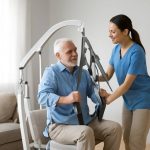
Private caregiver jobs are far from one-size-fits-all. Each assignment is shaped by the client’s health status, personal preferences, family expectations, and living environment. In most cases, the primary goal is to support a client’s independence and comfort at home for as long as possible. This often means helping with activities of daily living such as bathing, dressing, grooming, toileting, and mobility. A typical morning might include helping a client get out of bed safely, preparing breakfast, reminding them to take medications, and assisting with a shower or sponge bath. Later in the day, the caregiver may prepare a light lunch, accompany the client on a short walk, or provide transportation to a doctor’s appointment.
The work also extends beyond physical care. Private caregivers often serve as companions, and this emotional support can be just as important as the practical tasks. Loneliness and isolation are serious concerns for many older adults and individuals with disabilities. A caregiver’s presence—listening to stories, playing cards, looking through photo albums, or simply sharing a meal—can dramatically improve a client’s mental and emotional well-being. In dementia care, this companionship is paired with gentle redirection, structured routines, and a calm approach to reduce confusion and anxiety.
Because private caregivers work directly in a client’s home, they also take on tasks that keep the household safe and functional. This may include light housekeeping, laundry, changing bed linens, grocery shopping, and checking for fall hazards. In some cases, caregivers prepare specialized meals for clients with diabetes, heart disease, or swallowing difficulties. Each day can look different, and that variety is one reason many people find private caregiving so engaging. However, it also requires flexibility, strong observation skills, and the willingness to adapt to a family’s unique culture and expectations.
Skills, Training, and Qualifications That Strengthen Your Caregiving Career
While entry requirements for private caregiver jobs vary, certain qualifications can make you a stronger candidate and open the door to higher-paying assignments. At a minimum, most families expect a caregiver to have a high school diploma or equivalent, a valid driver’s license, reliable transportation, and the ability to pass a criminal background check. CPR and first aid certification is frequently required, especially for clients with chronic illnesses or a history of falls. These credentials show that you can respond calmly and effectively in an emergency.
Formal training can also set you apart. A Certified Nursing Assistant or Home Health Aide credential provides hands-on experience with personal care, infection control, and basic safety procedures. Caregivers with a background as a Licensed Practical Nurse or Registered Nurse are often sought for more complex cases, including medication management, wound care, tube feeding, or post-stroke support. However, private caregiving is not limited to medical professionals. Many families place equal or greater value on experience with specific conditions such as Alzheimer’s disease, Parkinson’s disease, multiple sclerosis, or developmental disabilities. If you have cared for a family member with a chronic condition, that lived experience is worth highlighting.
Beyond technical skills, the most successful private caregivers share essential personal qualities. Patience, dependability, and clear communication are non-negotiable. Families are entrusting you with their loved one’s safety and dignity, so arriving on time and following through on commitments is critical. Good documentation habits help you track changes in appetite, mood, mobility, and medication response, which can support medical professionals and family members in making informed decisions. Physical stamina is also important, as the role may involve lifting, transferring, or standing for extended periods. If you are new to the field, volunteering at a senior center, hospice organization, or disability support group can provide valuable experience and demonstrate your genuine commitment to care.
How to Find Private Caregiver Jobs and Build a Strong Reputation
Finding private caregiver jobs often requires a mix of online searching, networking, and professional presentation. Many families begin their search by asking for recommendations from friends, faith communities, or local support groups, so letting people in your personal and professional network know you are available can be surprisingly effective. At the same time, specialized online platforms have become a central resource for matching caregivers with families. These sites let you create a profile that highlights your experience, certifications, languages, and schedule preferences, then browse opportunities based on location, hours, and care needs. In many communities, demand is especially strong for caregivers who can provide evening, overnight, and weekend coverage. Using a focused approach instead of applying to every opening will help you find clients whose needs align with your strengths.
Your application materials should reflect the personal nature of caregiving. A generic resume that simply lists “assisted with daily care” will not help you stand out. Instead, write a caregiving-specific resume that emphasizes results and specific experiences. For example, phrase your work as “provided one-on-one dementia care for a client in her home, implementing daily routines that reduced evening agitation and improved sleep quality.” Include any certifications, specialized training, or languages you speak. Pair your resume with a short, warm message that references the specific job description and explains why you are interested in that particular client or family. This extra effort signals that you see caregiving as a relationship, not just a task.
Interviews for private caregiver jobs typically focus on real-life scenarios. Families may ask how you would handle resistance during bathing, what you would do if a client fell, or how you would communicate with multiple family members. Prepare by reflecting on your past experiences and practicing clear, calm responses. Ask thoughtful questions about the client’s routine, mobility, dietary restrictions, and social preferences. This not only helps you determine if the job is a good fit but also demonstrates professionalism and a collaborative mindset. Once you accept a position, set clear expectations in writing. A simple agreement covering duties, hours, pay, house rules, and notice periods can prevent misunderstandings and protect both parties. By approaching each opportunity with professionalism, you will build a reputation that leads to referrals, longer assignments, and a more stable career in private care.



 SantosJGardner